Blog - gato Leo
News, thoughts and speculations
Novidades, reflexões e especulações
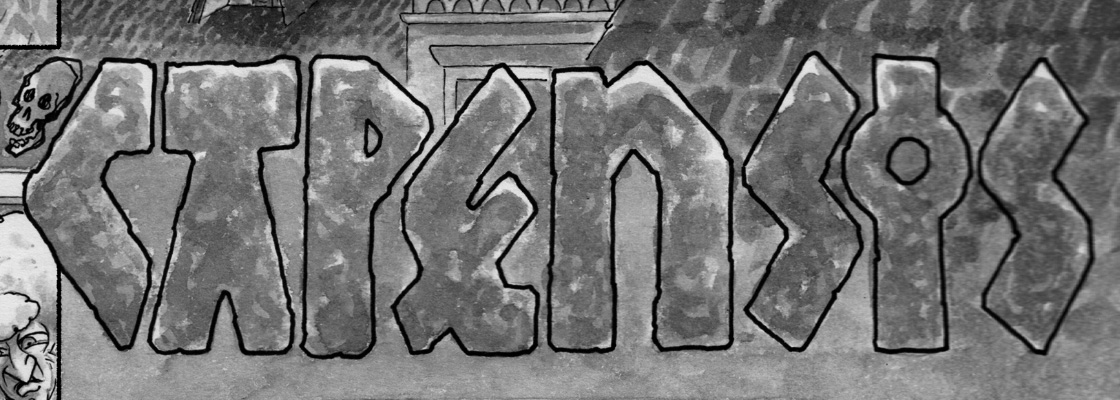
The Capensis
Os Capensis
(english / português)
english
M. Capensis comic p.1
↓link below↓
Who are they? Where did they come from? — A fictional story based on real and Royal histories.
Between my pre-teens and young adulthood, I was completely obsessed with mysteries. All of them. From urban legends to ancient mythologies; from mediumistic phenomena to close encounters; from macabre cults and religions to the secret history of humanity.
In the end — or to begin with — my central interest was always consciousness, whether human or otherwise, and its infinite manifestations and phenomena in reality; material or not; collective, individual, social, and psychological. That, and my eternal passion for science fiction, fantasy, the fantastic, and the human nature of storytelling — weaving both tales and records of knowledge through these two Siamese twins.
Amidst this mess — weekly hunts in second-hand bookstores and the early steps of the internet, while obsessively learning art and music and dealing with the evolution of my body and mind (hormones, sexuality, sociability, etc., and so much more) — one of the authors someone with my interests would obviously encounter was Madame Blavatsky.
Though not an exact mirror of Blavatsky, and possessing her own character arc, Madame Capensis has two traits clearly inherited from her: a deep interest in the occult and a terrible, powerful husband. I am no expert on Blavatsky’s biography, but perhaps Mr. Capensis is even worse than her husband was. He certainly represents the worst of our society and the human patriarchal elite.
português
M. Capensis quadrinho p.1
↓Link abaixo↓
Quem são eles? De onde eles vieram? – Uma estória fictícia baseada em histórias reais e Reais.
Entre minha pré-adolescência e fase de jovem adulto, eu fui completamente obcecado pelos mistérios. Todos eles. De lendas urbanas às mitologias ancestrais; dos fenômenos mediúnicos aos contatos imediatos; dos cultos e religiões macabras à história secreta da humanidade.
No final das contas – ou a princípio – meu interesse central sempre foi sobre a consciência, humana ou não, e suas infinitas manifestações e fenômenos na realidade; material ou não; coletiva, indivual, social e psicológica. Isso e minha paixão eterna por ficção científica, fantasia, o fantástico e a natureza humana em contar história, estórias e registrar conhecimentos através de ambas irmãs siamesas.
No meio dessa bagunça; caças semanais em sebos de livros e os primeiros passos da internet, ao mesmo tempo que aprendendo obsessivamente arte e música, lidando com evolução do meu corpo e mente; hormônios, sexualidade, sociabilidade, etc e muito mais – uma das autoras que obviamente alguém com meus interesses encontraria, foi Madame Blavatsky.
Ainda que não tão próxima de Blavatsky e com uma evolução própria de seu personagem, Madame Capensis tem dois aspectos claramente herdados dela: seu profundo interesse pelo oculto e um péssimo, e poderoso marido. Não sou conhecedor da biografia de Blavatsky, mas talvez o Sr. Capensis seja até pior que o marido dela. Ele com certeza representa o que temos de pior na sociedade e elite patriarcal humana.
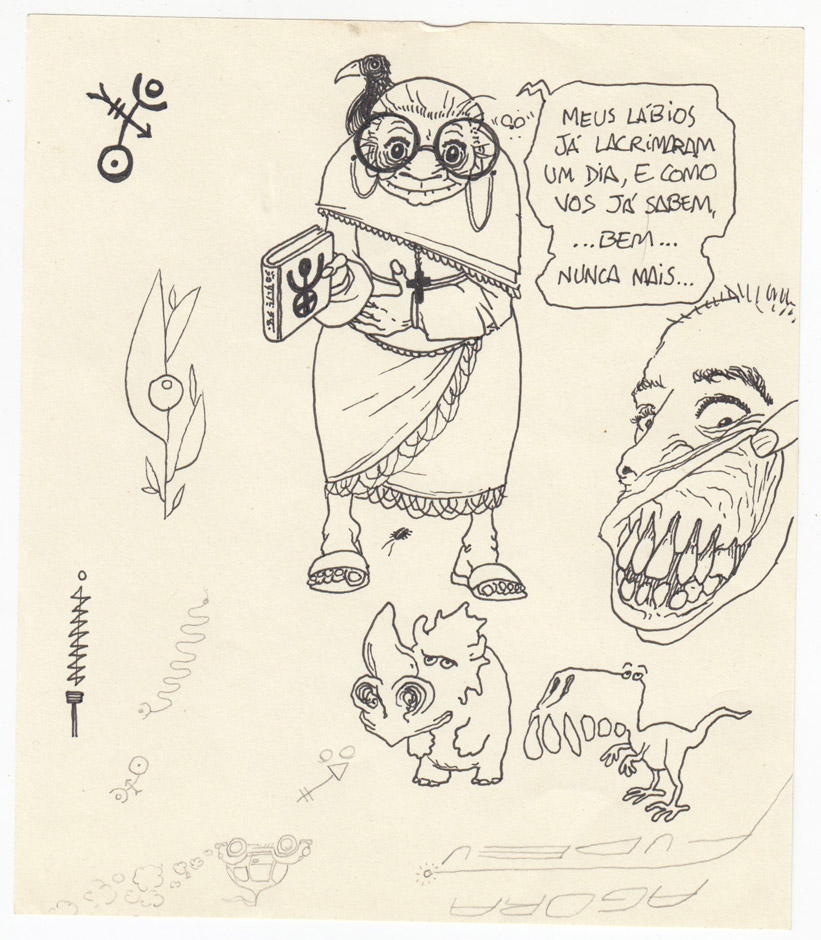
first drawing I ever made of Madame Capensis.
primeiro desenho que fiz de Madame Capensis.
english
In her first version (before she was intended for the comics or for Leo), she had the image of a cute old lady, full of knowledge and secrets — a youthful idealization from someone who had barely read a few pages of Blavatsky’s books. Before long, obsessed as I am, I discovered that Blavatsky’s works are a rollercoaster of colonized and adulterated facts and lore. A puzzle with both original and forged pieces, all mixed in a way that traps readers in an impossible rescue mission. A true Freudian slip of colonial guilt, conscious or otherwise.
After some time and reading, I knew it wasn’t worth diving any deeper. But her historical and mythical figure always fascinated me, though not in the same way as the “occultists” I met out there.
Despite Blavatsky’s initial importance in the creation of Capensis, there are many other references surrounding her, especially regarding patriarchal elites — be they occult circles or the highly censored biographies of bankers and magnates from the “Gilded Age” of industrial capitalist rise and the era of proto-fascist occultists. Real histories I collected over time and turned into “argumentative chewing gum” for my tales.
But what is actually real in the story of Leo and Madame Capensis?
Leo, my cat who actually exists (believe it or not), was indeed abandoned here in São Paulo, Brazil, by some wealthy lady from somewhere in Florida in the mid-90s. He ended up being adopted by us. At least, that’s the story that reached us.
português
Em sua primeira versão (ainda não direcionada aos quadrinhos ou ao Leo), ela tinha esta imagem de uma velha senhora fofinha e cheia de conhecimento e segredos – uma idealização juvenil de quem havia mal lido algumas páginas dos livros de Blavatsky. Em pouco tempo, obcecado como sou, descobri que as obras de Blavatsky são uma montanha-russa de fatos e conhecimentos colonizados e adulterados. Um quebra-cabeça com peças originais e falsificadas, todas misturadas de forma a prender seus leitores em uma impossível missão de resgate. Um verdadeiro ato falho de culpa colonizadora, inconsciênte ou não.
Depois de algum tempo e leitura, eu sabia que não compensava me aprofundar mais. Mas sua figura histórica e mítica sempre me fascinou, ainda que não da mesma forma que os “ocultistas” que conheci por aí.
Apesar da importância inicial de Blavatsky para a criação de Capensis, há muitas outras referências em torno dela, especialmente acerca elites patriarcais, sejam estas rodas ocultistas ou biografias muito censuradas de banqueiros e magnatas da era “dourada” da ascenção capitalista industrial e era do proto-fascismo ocultista. Histórias reais que colecionei com o tempo e transformei em chicletes argumentativos para minhas estórias.
Mas o que é de fato real na estória de Leo e a Madame Capensis?
Leo, o meu gato que existe, acredite se quiser; ele foi realmente abandonado aqui no Brasil, São Paulo – capital, por alguma senhora rica vinda de algum lugar da Flórida no meio dos anos 90. Ele acabou sendo adotado por nós. Pelo menos esta é a história que chegou até nós.
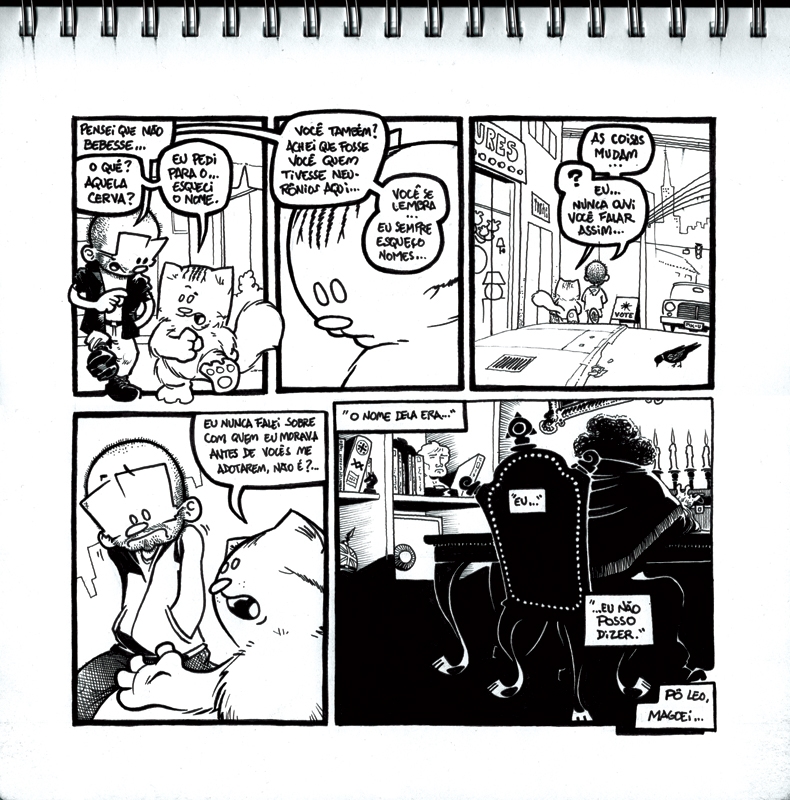
first mention of M. Capensis in an old gato Leo comic.
primeira menção de M. Capensis em um quadrinho antigo do gato Leo.
english
And the legends?
The name “Capensis” was based on an idea now dismissed by science: a humanoid species that was allegedly discovered and named Homo-Capensis. With their long, distinct skulls, science now considers these specimens to be merely modern humans — Homo-Sapiens like us. Much like what happened with those formerly called Cro-Magnons.
The “inside joke” here is simple, yet obvious only to those with a certain degree of “initiation” into mysteries and the hidden, obscure history of the West (but not only the West):
The Capensis (fictional; from the comics) are a family with deep, very ancient traditions. They have both inherited and hallucinated certain knowledge that they refuse to admit they don’t understand — and, more importantly, no longer have ties to. They also rooted themselves in certain concepts created by the infancy and immaturity of science between the Illuminism and Industrial eras. In a “romance” with these monarchist and bourgeois elites, these concepts lead them to believe they are racially and civilizationally superior and/or pure.
In short — and this is factually based on the biographies and history of occultists and other obscure Western and non-Western elites — they represent a supremacist aristocratic class. Madame Capensis, despite being part of this class, clearly has a more rebellious, investigative, and reforming bias, born from her condition within an oppressed category. For even as part of a mystified aristocratic elite, almost unknown even to the global bourgeoisie, she still exists as a woman in a world dominated by men.
português
E as lendas?
O nome dos Capensis foram baseados na ideia já desconsiderada pela ciência de uma espécie humanóide qual teria sido descoberta e nomeada como Homo-Capensis. Com seus longos e diferenciados crânios, hoje a ciência considera que estes espécimes encontrados seriam apenas homens modernos, Homo-Sapiens como nós. Assim como aconteceu com os antes chamados Cro-magnons.
A brincadeira aqui é simples, porém óbvia apenas para quem tem certo grau de “iniciação” aos assuntos de mistérios e história oculta, e obscura do, mas não somente ocidente:
Os Capensis (fictícios; históriasem quadrinhos) seriam uma família com tradições muito, muito antigas, que tanto herdaram como alucinaram certos conhecimentos que eles não admitem não compreenderem, e, principalmente não possuírem mais laços com. Eles também se enraizaram em certos conceitos criados pela infância e imaturidade da ciência, entre as eras iluminista e industrial, que em romance com estas elites monárquicas e burguesas, os fazem crer serem racialmente e civilizacionalmente superiores e/ou puros.
Em suma – e isto é fatidicamente baseado na biografia e própria história de ocultistas e outras elites obscuras ocidentais e não ocidentais – eles seriam a representação de uma classe aristocrática supremacista, onde Madame Capensis, apesar de ainda fazer parte desta classe, claramente tem um viés mais rebelde, investigativo e reformador, gerado pela sua condição de categoria ou classe oprimida. Pois ainda que parte de uma elite e cultura aristocrática mistificada e quase desconhecida mesmo por burgueses e pequeno-burgueses de todo mundo, ela ainda se encontra como uma mulher em um mundo dominado por homens.
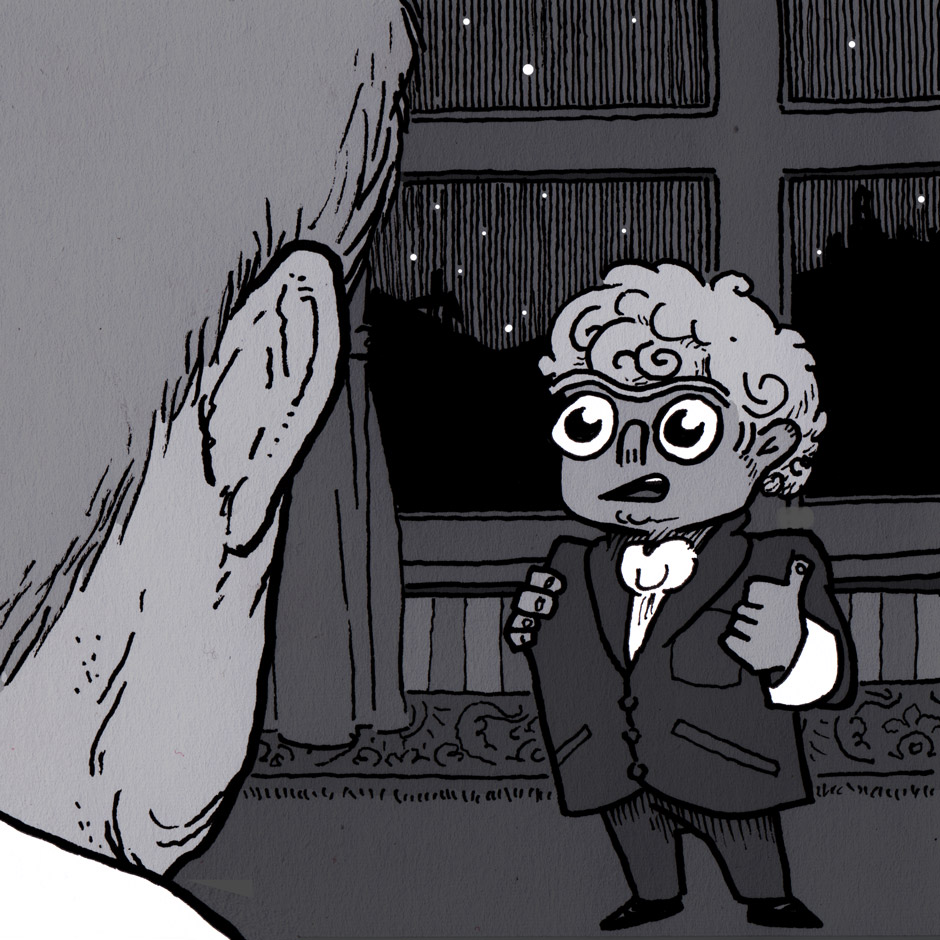
a quick drawing about a rare & very spoiled Capensis child. (They have some difficulties on having babies, you know…)
um desenho rápido que fiz sobre uma rara e muito mimada criança Capensis. (Eles têm certa dificuldade para ter bebês, sabe como é…)
english
And the legends?
The name “Capensis” was based on an idea now dismissed by science: a humanoid species that was allegedly discovered and named Homo-Capensis. With their long, distinct skulls, science now considers these specimens to be merely modern humans — Homo-Sapiens like us. Much like what happened with those formerly called Cro-Magnons.
The “inside joke” here is simple, yet obvious only to those with a certain degree of “initiation” into mysteries and the hidden, obscure history of the West (but not only the West):
The Capensis (fictional; from the comics) are a family with deep, very ancient traditions. They have both inherited and hallucinated certain knowledge that they refuse to admit they don’t understand — and, more importantly, no longer have ties to. They also rooted themselves in certain concepts created by the infancy and immaturity of science between the Illuminism and Industrial eras. In a “romance” with these monarchist and bourgeois elites, these concepts lead them to believe they are racially and civilizationally superior and/or pure.
português
E as lendas?
O nome dos Capensis foram baseados na ideia já desconsiderada pela ciência de uma espécie humanóide qual teria sido descoberta e nomeada como Homo-Capensis. Com seus longos e diferenciados crânios, hoje a ciência considera que estes espécimes encontrados seriam apenas homens modernos, Homo-Sapiens como nós. Assim como aconteceu com os antes chamados Cro-magnons.
A brincadeira aqui é simples, porém óbvia apenas para quem tem certo grau de “iniciação” aos assuntos de mistérios e história oculta, e obscura do, mas não somente ocidente:
Os Capensis (fictícios; históriasem quadrinhos) seriam uma família com tradições muito, muito antigas, que tanto herdaram como alucinaram certos conhecimentos que eles não admitem não compreenderem, e, principalmente não possuírem mais laços com. Eles também se enraizaram em certos conceitos criados pela infância e imaturidade da ciência, entre as eras iluminista e industrial, que em romance com estas elites monárquicas e burguesas, os fazem crer serem racialmente e civilizacionalmente superiores e/ou puros.
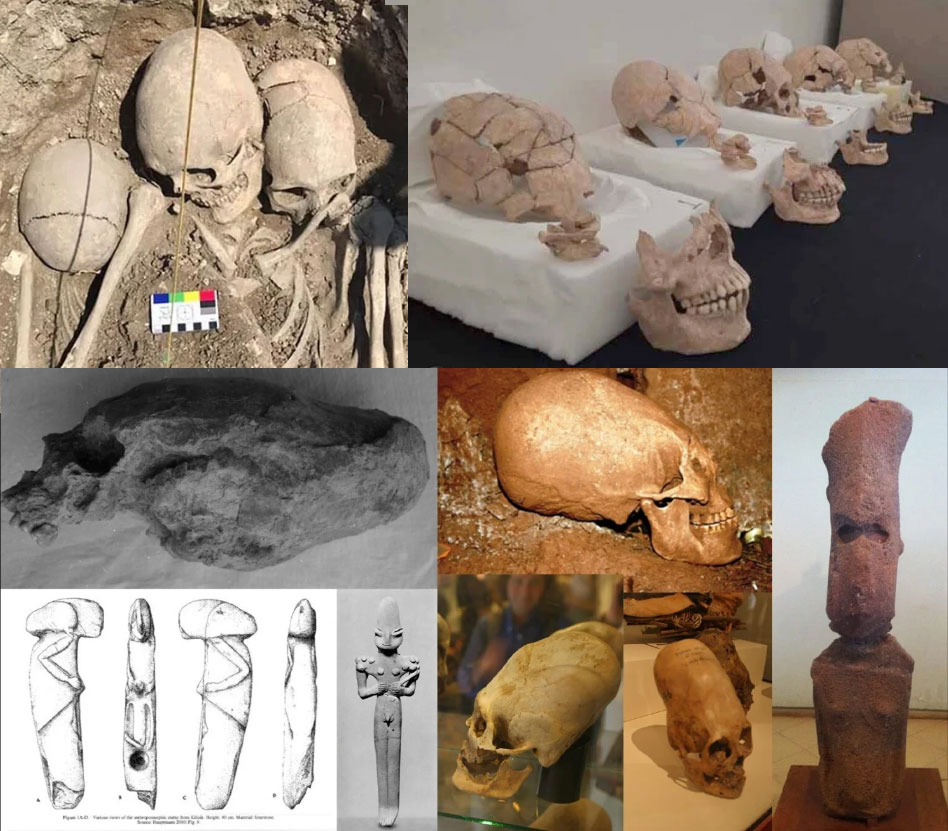
collection of real archaeologic pictures related to dolichocephalic skulls and ancient mentions of it (artworks)
coleção de fotografias arqueológicas reais relacionadas a dolicocefalóides e menções ancestrais sobre isso (artes)
english
In short — and this is factually based on the biographies and history of occultists and other obscure Western and non-Western elites — they represent a supremacist aristocratic class. Madame Capensis, despite being part of this class, clearly has a more rebellious, investigative, and reforming bias, born from her condition within an oppressed category. For even as part of a mystified aristocratic elite, almost unknown even to the global bourgeoisie, she still exists as a woman in a world dominated by men.
português
Em suma – e isto é fatidicamente baseado na biografia e própria história de ocultistas e outras elites obscuras ocidentais e não ocidentais – eles seriam a representação de uma classe aristocrática supremacista, onde Madame Capensis, apesar de ainda fazer parte desta classe, claramente tem um viés mais rebelde, investigativo e reformador, gerado pela sua condição de categoria ou classe oprimida. Pois ainda que parte de uma elite e cultura aristocrática mistificada e quase desconhecida mesmo por burgueses e pequeno-burgueses de todo mundo, ela ainda se encontra como uma mulher em um mundo dominado por homens.
Support us! - Apóie o Projeto!
Memberships / Assinaturas
You may select only one level from this group.
| Level | Price | Action |
|---|---|---|
| Sniffers / Farejadores |
Free. |
Select |
Paid Chapters / Capítulos Pagos
You may select multiple levels from this group.
| Level | Price | Action |
|---|---|---|
| Madame Capensis - Part 2 |
R$7.00 now. |
Select |
Donate / Doar
You may select multiple levels from this group.
| Level | Price | Action |
|---|---|---|
| Pet Douceur / Gorjeta Animal |
Free. |
Select |
🌻
Leo needs your help!
Leo precisa de sua ajuda!
Leo needs
your help!
Leo precisa
de sua ajuda!
Help keep Leo's comics alive. Your donation makes all the difference!
Ajude a manter os quadrinhos do Leo vivos. Sua doação faz toda a diferença!
Help keep Leo's comics alive.
Your donation makes all the difference!
Ajude a manter os quadrinhos do Leo vivos.
Sua doação faz toda a diferença!
🐱
Click to donate or send a PIX!
Clique para doar ou mande um PIX!